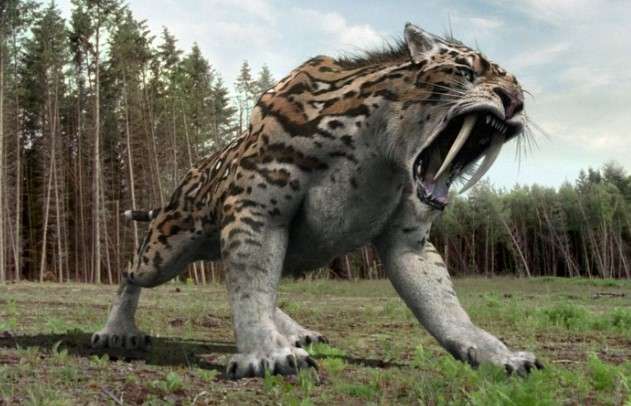
The idea of prehistoric predators roaming the modern world is both fascinating and terrifying. Among these ancient creatures, the saber-toothed tiger (Smilodon) stands out as one of the most iconic and powerful hunters of the Ice Age. But what if this extinct predator had survived until today?
In this SEO-optimized, in-depth guide, we’ll explore the ecological, environmental, and societal impacts of saber-toothed cats existing in the modern world—and what that would mean for humans, wildlife, and global ecosystems.
What Were Saber-Toothed Tigers?
Before imagining their survival, it’s important to understand what saber-toothed tigers actually were.
Saber-toothed cats—commonly referred to as “saber-toothed tigers”—belonged to the genus Smilodon, a group of large carnivorous mammals that lived during the Ice Age and went extinct around 10,000–12,000 years ago.
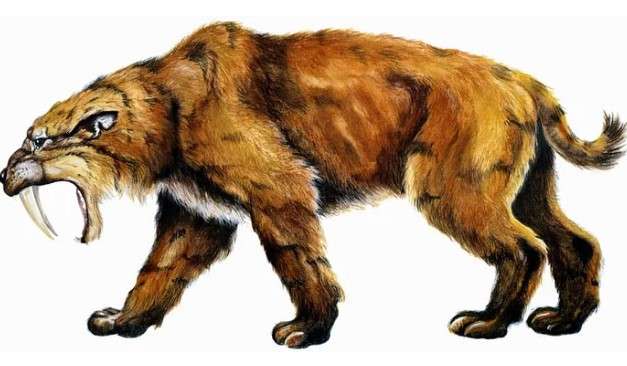
Unlike modern tigers, they were not true tigers but part of the Felidae family. Their most distinctive feature was their long, curved canine teeth, which could grow up to 15–18 cm and were used to deliver lethal bites to prey.
They were powerful ambush predators, relying on strong forelimbs and stealth tactics to take down large animals such as mammoths and bison.
1. How Would Saber-Toothed Tigers Affect Modern Ecosystems?
Apex Predator Dominance
If saber-toothed cats still existed today, they would likely become apex predators, sitting at the top of the food chain.
Their presence would:
- Compete with modern predators like lions, wolves, and bears
- Potentially reduce populations of large herbivores
- Reshape predator-prey dynamics
Because of their size and hunting capabilities, they could outcompete many existing carnivores, leading to major ecological shifts.
Balancing or Disrupting Ecosystems?
Interestingly, apex predators often play a crucial role in maintaining ecological balance. However, the introduction (or survival) of such a powerful predator could go either way:
Positive Effects
- Control overpopulation of herbivores
- Prevent overgrazing
- Promote biodiversity
Negative Effects
- Disruption of existing ecosystems
- Extinction pressure on modern species
- Competition with endangered predators
In fragile ecosystems, the presence of saber-toothed cats could trigger a cascade of ecological consequences.
2. Impact on Modern Wildlife
Competition with Big Cats
Modern big cats like lions and tigers would face intense competition.
Saber-toothed cats had:
- Stronger forelimbs
- Specialized killing techniques
- Adaptation for hunting large prey
This could lead to:
- Decline in modern predator populations
- Territorial conflicts
- Changes in migration patterns
Pressure on Herbivore Populations
Large herbivores such as deer, buffalo, and elk would become primary targets.
Consequences include:
- Reduced population sizes
- Behavioral adaptations (more cautious movement)
- Evolutionary pressure over time
This could ultimately reshape entire ecosystems, especially grasslands and forests.
3. Human Safety and Urban Impact
Would Humans Be at Risk?
If saber-toothed cats existed today, human safety would be a major concern.
While they primarily hunted large animals, humans could still be at risk—especially in areas where habitats overlap.
Potential risks include:
- Attacks in rural or forested regions
- Increased human-wildlife conflict
- Threats to livestock and agriculture
Modern parallels can be seen with animals like mountain lions, which already live near urban areas.
Urban Expansion vs Predator Territory
As human populations expand, natural habitats shrink. This would likely lead to:
- Increased encounters between humans and saber-toothed cats
- Habitat fragmentation
- Conservation challenges
Cities near wilderness areas could face frequent predator sightings, similar to modern-day encounters with large carnivores—but potentially more dangerous.
4. Conservation and Ethical Considerations
Would Saber-Toothed Tigers Be Protected?
If they survived into modern times, saber-toothed cats would almost certainly be classified as:
- Endangered species
- Protected under international wildlife laws
Given their rarity and ecological importance, conservation efforts would likely focus on:
- Habitat preservation
- Anti-poaching measures
- Human-wildlife conflict mitigation
Challenges of Conservation
Protecting such a dangerous predator would not be easy.
Key challenges include:
- Balancing human safety with conservation
- Managing large territories
- Preventing illegal hunting
Governments would need to invest heavily in wildlife management systems.
5. Climate Change and Survival
Could They Adapt to Modern Climate?
Saber-toothed cats lived during the Ice Age, but that doesn’t mean they couldn’t adapt.
However, modern environmental conditions present challenges:
- Warmer global temperatures
- Habitat loss
- Reduced megafauna (large prey animals)
Their survival would depend on their ability to:
- Adapt to new prey
- Compete with modern predators
- Adjust to changing ecosystems
Why Did They Go Extinct?
Although the exact cause is still debated, scientists suggest:
- Climate change
- Loss of prey
- Human hunting
These factors combined likely led to their extinction around 10,000 years ago.
If they had survived, they would have needed to overcome these same challenges in a rapidly changing world.
6. Scientific and Cultural Impact
A Living Window into Prehistory
If saber-toothed cats still existed, they would provide scientists with an unprecedented opportunity to study:
- Ice Age ecosystems
- Evolution of predators
- Adaptation mechanisms
They would essentially be living fossils, offering insights into Earth’s ancient past.
Impact on Media and Culture
Saber-toothed tigers are already popular in movies, games, and literature. Their real-world presence would:
- Increase public fascination with prehistoric life
- Influence tourism and wildlife documentaries
- Shape global culture
Imagine safaris where seeing a saber-toothed cat is the ultimate experience.
7. Economic and Tourism Opportunities
Wildlife Tourism Boom
Countries with saber-toothed populations could benefit from:
- Eco-tourism
- National park development
- Educational tourism
Similar to how African safaris attract millions, saber-toothed cats could become a global tourism icon.
Costs and Risks
However, the economic benefits would come with challenges:
- High conservation costs
- Safety infrastructure
- Insurance and liability concerns
Balancing profit and protection would be critical.
8. Could Saber-Toothed Tigers Exist Again? (De-Extinction)
With advances in genetic engineering, scientists are exploring the possibility of de-extinction—bringing extinct species back to life.
While currently theoretical, future technology could:
- Recreate saber-toothed cats using DNA
- Introduce them into controlled environments
- Study their behavior in modern ecosystems
However, this raises ethical questions:
- Should we bring back extinct predators?
- Can ecosystems handle them?
- What are the risks?
Conclusion: A World Forever Changed
If saber-toothed tigers still existed today, the world would look dramatically different. From ecosystem dynamics to human safety, their presence would reshape both nature and society.
While they could help maintain ecological balance as apex predators, they would also introduce significant challenges—especially in a world already struggling with environmental change and biodiversity loss.
Ultimately, the survival of saber-toothed cats into the modern era would be a double-edged sword:
a symbol of nature’s power and a reminder of the delicate balance that sustains life on Earth.