Urine color is one of the simplest yet most powerful indicators of your health. Many people notice that their urine is yellow but rarely understand why this happens or what it means. The truth is, the color of your urine can reveal crucial information about your hydration levels, metabolism, and even underlying medical conditions.
In this in-depth, SEO-optimized guide, we will explore the science behind why urine is yellow, what causes variations in color, and how to use this knowledge to improve your health.
What Is Urine and How Is It Formed?
Urine is a liquid waste product created by the kidneys as they filter blood. The body produces waste through metabolic processes, and these waste substances must be removed efficiently to maintain internal balance.
The kidneys:
- Filter toxins and waste from the bloodstream
- Regulate water and electrolyte levels
- Maintain a delicate chemical balance in the body
Once filtered, urine travels through the ureters to the bladder, where it is stored until excretion.
Why Is Urine Yellow? The Science Explained
The yellow color of urine comes from a pigment called urobilin. This pigment is formed through a fascinating biological process:
Step-by-Step Process
- Red blood cells break down
Red blood cells live for about 120 days before being broken down in the liver. - Formation of bilirubin
This breakdown produces a bright orange compound called bilirubin. - Conversion in the intestines
Gut bacteria convert bilirubin into urobilinogen, a colorless substance. - Final transformation into urobilin
Urobilinogen is eventually converted into urobilin, the yellow pigment responsible for urine color.
👉 In short:
Urine is yellow because of urobilin, a byproduct of red blood cell breakdown.
The Role of Enzymes in Urine Color
Recent scientific findings highlight the role of an enzyme called bilirubin reductase, which helps regulate this pigment process.
- The enzyme influences how much pigment appears in urine
- Higher concentration = darker yellow
- Lower concentration = lighter yellow
This explains why urine color can vary throughout the day.
What Determines the Shade of Yellow?
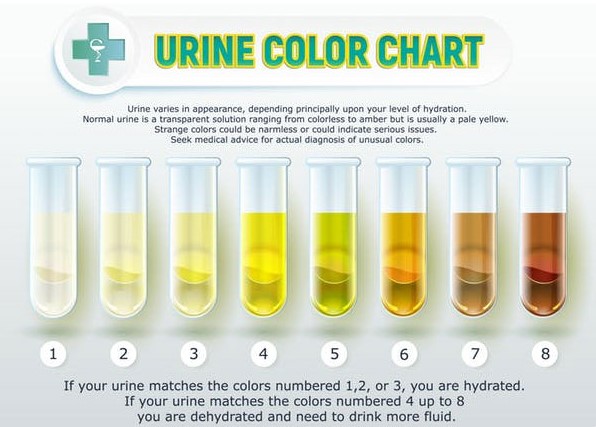
Urine color is not fixed—it ranges from pale yellow to deep amber. The main factor behind this variation is hydration.
1. Hydration Levels
- Light yellow or clear urine: You are well hydrated
- Dark yellow urine: Your body needs more water
When you drink more fluids, urine becomes diluted, making it lighter in color. Conversely, when you are dehydrated, urine becomes concentrated and darker.
2. Fluid Intake and Body Signals
The body has an intelligent system to maintain balance:
- When you drink less water, the brain signals the kidneys to conserve fluids
- When you drink more, excess water is expelled through urine
This constant adjustment keeps your body functioning efficiently.
Other Factors That Affect Urine Color
While hydration is the primary factor, several other elements can influence urine color:
1. Diet and Food
Certain foods can temporarily change urine color:
- Carrots and sweet potatoes → deeper yellow/orange
- Beets → reddish tint
- Asparagus → may affect smell and color
2. Vitamins and Supplements
Some vitamins, especially Vitamin B2 (riboflavin), can cause urine to appear bright yellow.
This is usually harmless and simply indicates excess vitamins being excreted.
3. Medications
Certain medications can alter urine color:
- Painkillers → orange
- Blood pressure drugs → darker shades
- Sedatives → red or brown tones
4. Environmental Factors
Hot weather or intense exercise can lead to dehydration, resulting in darker urine due to fluid loss through sweat.
When Is Yellow Urine Normal?
In most cases, yellow urine is completely normal and healthy.
Typical normal range:
- Pale yellow → ideal hydration
- Light amber → slightly dehydrated
- Dark yellow → need more fluids
As long as there are no other symptoms, such as pain or unusual odor, yellow urine is usually not a cause for concern.
When Should You Be Concerned?
Although yellow urine is generally normal, certain signs may indicate underlying health issues.
Warning Signs to Watch For
- Persistent dark yellow urine despite adequate hydration
- Strong or unusual odor
- Pain or burning during urination
- Cloudy appearance
These symptoms may suggest:
- Urinary tract infection (UTI)
- Liver or kidney problems
- Metabolic disorders
Urine Color Chart and What It Means
| Color | Meaning |
|---|---|
| Clear | Overhydration |
| Pale yellow | Healthy and hydrated |
| Dark yellow | Mild dehydration |
| Amber | Dehydration |
| Brown or tea-colored | Possible liver issues |
| Red or pink | Possible blood in urine |
Urine color is a quick, visual health check that you can monitor daily.
How to Maintain Healthy Urine Color
Maintaining a healthy urine color is simple and directly tied to lifestyle habits.
1. Stay Hydrated
Drink enough water throughout the day:
- Aim for 2–3 liters daily (depending on body needs)
- Increase intake during hot weather or exercise
2. Eat a Balanced Diet
A nutrient-rich diet supports proper kidney function and waste elimination.
3. Monitor Your Body Signals
Pay attention to:
- Thirst
- Urine color
- Frequency of urination
These signals help you adjust your hydration habits.
4. Limit Excess Supplements
Avoid unnecessary overuse of vitamins, especially those that affect urine color.
5. Regular Health Checkups
Routine medical checkups can detect early signs of kidney or liver issues.
Common Myths About Urine Color
Myth 1: Dark Yellow Urine Always Means Disease
👉 Not true. It often just means dehydration.
Myth 2: Clear Urine Is Always Best
👉 Overhydration can dilute essential electrolytes.
Myth 3: Bright Yellow Urine Is Dangerous
👉 Often caused by vitamins and is usually harmless.
The Importance of Understanding Urine Color
Urine is more than just waste—it is a window into your body’s internal health.
By understanding why urine is yellow, you can:
- Detect dehydration early
- Monitor kidney function
- Identify potential health issues
- Improve overall well-being
Conclusion
The yellow color of urine is a natural and essential biological phenomenon caused by urobilin, a pigment formed during the breakdown of red blood cells. Its intensity depends mainly on hydration levels, but can also be influenced by diet, medications, and health conditions.
Understanding these factors empowers you to take control of your health. By simply observing your urine color, you gain valuable insights into your body’s hydration, metabolism, and overall function.
👉 In essence: Healthy urine = a healthy body.