A Stark Biological Contrast
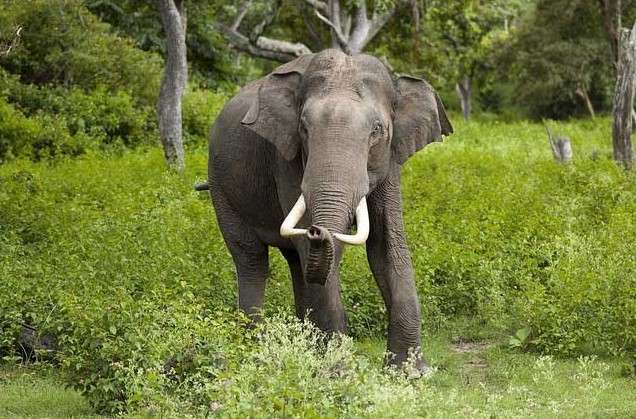
In the natural world, survival often hinges on anatomy, physiology, and behavioral adaptation. Few comparisons illustrate this more dramatically than the difference between an elephant and a horse when faced with a broken leg. While elephants can endure and even recover from severe limb injuries, horses frequently face a fatal outcome from similar trauma. This contrast is not incidental—it is the direct result of evolutionary design, biomechanical constraints, and survival dependencies.
Understanding this phenomenon requires a deep exploration into skeletal structure, weight distribution, healing capacity, and behavioral necessity. By examining these elements in detail, we uncover why one species adapts and survives, while the other often cannot.
The Structural Advantage of Elephants
Dense Bone Composition and Strength
Elephants possess exceptionally dense and robust bones, engineered to support their massive body weight, which can exceed several tons. Their limbs are structured like vertical pillars, distributing weight evenly across a wide surface area. This architecture minimizes stress concentration on any single point, even when one limb is compromised.
The bones of elephants contain a higher proportion of spongy bone tissue, which enhances shock absorption and provides a greater capacity for regeneration. This allows fractures to stabilize more effectively over time, especially when combined with the animal’s ability to limit movement.
Columnar Limb Design
Unlike many quadrupeds, elephants have straight, column-like legs rather than angled limbs. This design reduces bending forces and ensures that weight is transmitted directly downward. As a result, when one leg is injured, the remaining limbs can redistribute the load more efficiently, preventing catastrophic strain.
This structural feature is critical in enabling elephants to maintain partial mobility while healing.
Muscular Support and Load Distribution
Powerful Musculature
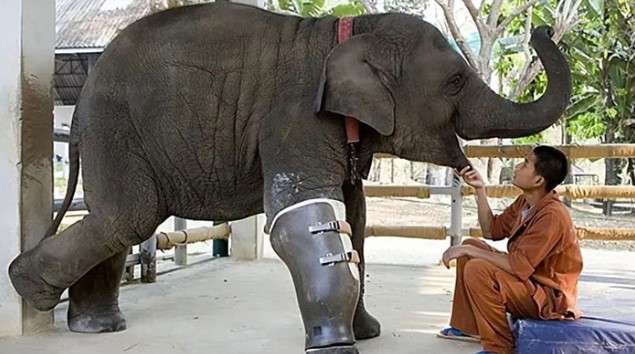
Elephants are equipped with thick, powerful muscles surrounding their limbs, which act as natural stabilizers. These muscles compensate for skeletal injuries by absorbing additional stress and maintaining balance.
Even with a fractured limb, the muscular system can support the body sufficiently to allow limited movement and gradual recovery.
Adaptive Weight Redistribution
One of the most significant advantages elephants possess is their ability to shift weight dynamically. They can rely more heavily on three limbs while reducing pressure on the injured one. This adaptability is essential for survival, as it prevents further damage and allows the healing process to begin.
Behavioral Adaptation and Survival Strategies
Reduced Mobility Without Immediate Risk
Elephants are not dependent on speed for survival. They are apex megafauna, facing few natural predators in adulthood. This allows them to reduce movement significantly when injured without facing immediate threats.
By conserving energy and limiting physical activity, elephants create optimal conditions for bone healing and tissue repair.
Use of the Trunk as a Functional Aid
The elephant’s trunk is a multi-functional appendage that compensates for mobility limitations. It enables feeding, drinking, and environmental interaction without requiring extensive movement. This reduces the need to travel long distances, further supporting recovery.
Social Support Within the Herd
Elephants are highly social animals. When a member is injured, the herd often provides protection, guidance, and indirect support. This collective behavior reduces exposure to danger and ensures access to resources.
Such social dynamics significantly increase the likelihood of survival during periods of vulnerability.
The Fragile Reality of Horses

Lightweight Bones Built for Speed
Horses evolved for speed, agility, and endurance, not resilience to severe injury. Their bones are long, slender, and relatively fragile, optimized for rapid locomotion rather than structural durability.
This design creates a critical weakness: when a bone breaks, it often results in complex fractures that are extremely difficult to stabilize.
High Stress Concentration
Unlike elephants, horses experience significant stress concentration in their lower limbs, particularly in the cannon bone and fetlock joint. These areas تحمل enormous forces during running, making them highly susceptible to catastrophic damage.
When a fracture occurs, the surrounding tissues often cannot provide sufficient support, leading to instability and worsening injury.
Dependency on Continuous Standing
Circulatory Limitations
Horses are biologically adapted to stand for extended periods, and their circulatory system relies on this posture. Prolonged lying down can lead to reduced blood flow, causing complications such as muscle damage and organ stress.
This creates a paradox: resting is necessary for healing, yet extended immobility can be life-threatening.
Inability to Offload Weight Effectively
A horse cannot easily redistribute its weight to the remaining three legs. Doing so places excessive strain on the healthy limbs, increasing the risk of secondary injuries such as laminitis, a painful and often fatal hoof condition.
This limitation prevents the horse from achieving the stable rest required for bone repair.
Severe Medical Complications in Horses
Laminitis and Secondary Failure
Laminitis is one of the most devastating consequences of a broken leg in horses. When weight shifts unevenly, the hooves experience inflammation and structural breakdown, leading to intense pain and loss of function.
Even if the initial fracture is manageable, laminitis can quickly escalate into a fatal systemic condition.
Infection and Poor Healing Conditions
Open fractures in horses are particularly dangerous due to the risk of infection. The limited soft tissue coverage around bones means that injuries are often exposed, making them vulnerable to contamination.
Additionally, the constant need for movement and weight-bearing disrupts the healing process, resulting in poor bone union and chronic instability.
Biomechanics: The Core Difference
Elephant Biomechanics
Elephants operate under a system of load-bearing stability, where each limb acts as a supportive column. Their movement is slower, more deliberate, and less reliant on rapid force generation. This reduces the risk of severe injury and enhances recovery potential.
Horse Biomechanics
Horses rely on dynamic motion and elastic energy storage within their tendons and ligaments. Their limbs function like spring-loaded mechanisms, designed for speed rather than durability.
When this system fails, the consequences are immediate and often irreversible, as the entire biomechanical framework is compromised.
Evolutionary Trade-Offs
Survival Through Strength vs. Speed
Elephants evolved to prioritize strength, stability, and longevity, allowing them to withstand environmental challenges and physical trauma. Horses, on the other hand, evolved for rapid escape from predators, sacrificing structural resilience for speed.
These evolutionary paths define their responses to injury. One species can endure and adapt, while the other is constrained by its own specialization.
Veterinary Challenges and Ethical Decisions
Treatment Limitations in Horses
Modern veterinary medicine has made significant advances, yet treating a broken leg in a horse remains extremely complex and resource-intensive. Surgical intervention, prolonged immobilization, and intensive care are required, often with uncertain outcomes.
In many cases, the risk of complications outweighs the potential for recovery, leading to the difficult decision of euthanasia.
Higher Recovery Potential in Elephants
Elephants benefit from natural recovery mechanisms that align with their biology. With proper care and minimal intervention, they can often heal without the need for invasive procedures.
This difference underscores the importance of species-specific physiology in determining medical outcomes.
Conclusion: Biology Determines Fate
The survival disparity between elephants and horses after a broken leg is not a matter of chance. It is the inevitable result of anatomical design, physiological constraints, and evolutionary priorities.
Elephants endure because their bodies are built for resilience, adaptability, and support. Horses, despite their elegance and speed, are limited by a structure that cannot withstand or recover from severe limb trauma.
This contrast serves as a powerful reminder that in the natural world, every advantage comes with a trade-off, and survival often depends on how well a species can adapt when those trade-offs are tested.