The natural world is filled with strange and fascinating processes, but few are as haunting—and scientifically intriguing—as the formation of blue crystals on ancient human remains. This rare phenomenon has puzzled archaeologists, chemists, and historians for years. How can something so beautiful emerge from decomposition? And what does it reveal about ancient environments and burial practices?
What Are the Blue Crystals Found on Ancient Corpses?
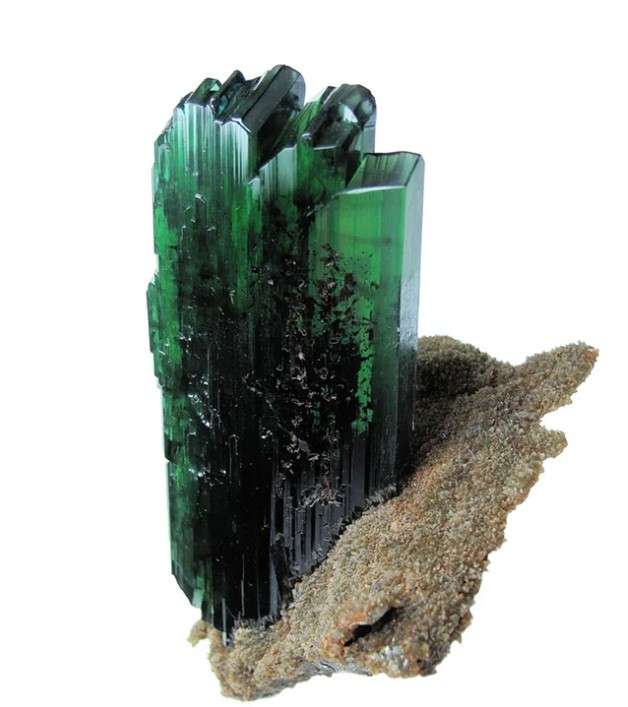
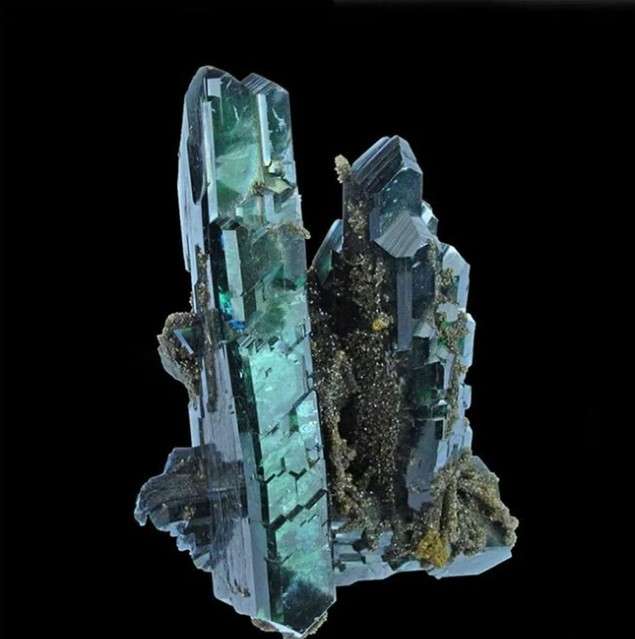
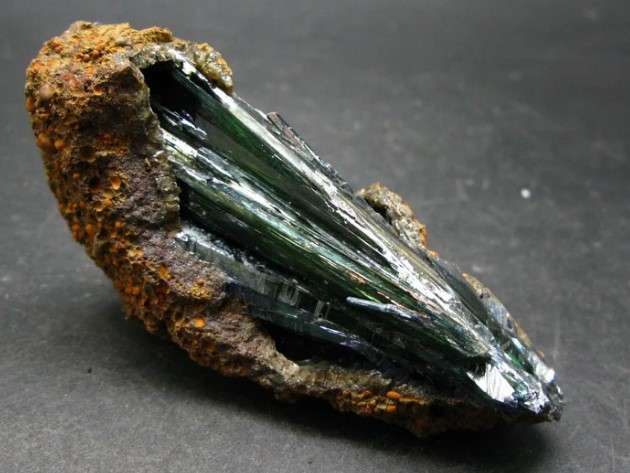
Blue crystals discovered on ancient human remains are typically identified as vivianite, a naturally occurring mineral composed of hydrated iron phosphate.
Vivianite is usually colorless when first formed, but over time, exposure to oxygen transforms it into deep blue or bluish-green crystals. This transformation is what creates the striking visual effect often observed in archaeological discoveries.
The Chemical Process Behind Crystal Formation
Understanding how these crystals form requires a closer look at the interaction between decomposition and environmental chemistry.
1. Decomposition of Organic Matter
When a human body decomposes, it releases a variety of compounds, including:
- Phosphates (from bones and tissues)
- Organic acids
- Nitrogen-based compounds
These elements become part of the surrounding soil.
2. Presence of Iron in the Environment
For vivianite to form, iron must be present in the burial environment. This can come from:
- Iron-rich soil
- Burial artifacts (weapons, tools, jewelry)
- Groundwater containing dissolved iron
3. Low Oxygen Conditions
One of the most critical factors is an oxygen-poor (anaerobic) environment. This is commonly found in:
- Waterlogged graves
- Clay-rich soil
- Peat bogs
In these conditions, iron remains in a reduced state, allowing it to react with phosphates.
4. Formation of Vivianite Crystals
When iron combines with phosphate ions under low-oxygen conditions, vivianite crystals begin to form. Initially pale, these crystals gradually turn blue when exposed to air during excavation.
Why Are Blue Crystals Rare?
Although the ingredients for vivianite formation are not uncommon, the specific conditions required are extremely precise.
Key Requirements:
- High phosphate concentration
- Available iron
- Limited oxygen
- Stable moisture levels
If even one of these factors is missing, the crystals will not form. This is why such findings are considered rare and scientifically valuable.
Where Have These Crystals Been Found?
Blue crystals on ancient corpses have been discovered in various archaeological sites around the world, particularly in:
- Medieval European burial grounds
- Ancient wetlands and bogs
- Waterlogged cemeteries
These environments provide the perfect conditions for vivianite formation.
What Do These Crystals Tell Us About the Past?
Beyond their visual appeal, these crystals are incredibly useful for researchers. They act as natural indicators of burial conditions and environmental history.
1. Clues About Burial Environment
The presence of vivianite suggests:
- The grave was low in oxygen
- The soil contained iron deposits
- The body decomposed in a moist environment
2. Insights Into Preservation Conditions
Vivianite formation often correlates with exceptional preservation of remains, including:
- Soft tissues
- Clothing
- Wooden coffins
This helps archaeologists better understand ancient lifestyles and burial customs.
3. Evidence of Ancient Climate
Because these crystals often form in wet conditions, they can provide clues about:
- Historical rainfall patterns
- Groundwater levels
- Environmental changes over time
The Role of Vivianite in Archaeology
Vivianite is more than just a chemical curiosity—it plays an important role in modern archaeological research.
a. Identifying Burial Sites
Even when human remains are no longer visible, traces of phosphate and iron can still produce vivianite. This allows researchers to:
- Detect hidden or disturbed graves
- Map ancient cemeteries
- Study population patterns
b. Understanding Decomposition Processes
The formation of vivianite helps scientists better understand:
- How bodies break down over time
- How soil chemistry affects preservation
- The interaction between biology and geology
c. Enhancing Forensic Science
Interestingly, the same principles apply in forensic investigations. Studying mineral formation can help estimate:
- Time since burial
- Environmental conditions at the burial site
Why Do the Crystals Turn Blue?
One of the most fascinating aspects of vivianite is its color transformation.
Before Exposure to Air:
- Colorless or pale green
After Exposure to Oxygen:
- Deep blue or blue-green
This happens due to a process called oxidation, where iron ions change their chemical state, altering how the crystal absorbs and reflects light.
Common Misconceptions
1. The Crystals Are Not Artificial
Some believe these crystals are intentionally placed or created—but they are entirely natural formations.
2. They Are Not Harmful
Vivianite is generally non-toxic and safe to handle under normal conditions, though standard archaeological precautions are always followed.
3. Not All Ancient Corpses Have Them
Only bodies buried in very specific environments develop these crystals, making them rare and valuable.
Modern Scientific Applications
The study of vivianite extends beyond archaeology into other fields:
Environmental Science
- Used to study phosphorus cycles in soil
Geology
- Helps identify iron-rich sediment layers
Material Science
- Studied for its unique color-changing properties
How Researchers Study These Crystals
Scientists use advanced tools to analyze vivianite, including:
- X-ray diffraction (XRD)
- Scanning electron microscopy (SEM)
- Chemical spectroscopy
These techniques allow researchers to determine:
- Crystal composition
- Formation conditions
- Age and transformation processes
The Fascination Behind Death and Beauty
There is something deeply symbolic about blue crystals forming on ancient remains. It represents a powerful intersection of:
- Life and death
- Decay and creation
- Science and mystery
What might initially seem unsettling becomes a reminder of how nature continuously transforms matter—even in death—into something unexpectedly beautiful.
Key Takeaways
- Blue crystals found on ancient corpses are typically vivianite, a mineral formed from iron and phosphate.
- Their formation requires low oxygen, moisture, and specific soil chemistry.
- These crystals provide valuable insights into burial conditions, environmental history, and decomposition processes.
- The blue color appears due to oxidation when exposed to air.
- They are rare, making them highly significant in archaeological and scientific research.
Conclusion
The formation of blue crystals on ancient corpses is one of the most fascinating examples of how chemistry, biology, and geology intersect. What begins as a natural process of decomposition evolves into a rare mineral phenomenon that helps scientists unlock secrets of the past.
By understanding this process, we gain not only scientific knowledge but also a deeper appreciation for the complex and beautiful transformations that occur in nature.
Whether you’re an SEO content creator, science enthusiast, or researcher, this topic offers a compelling blend of education, mystery, and discovery—making it a powerful subject for high-value, engaging content.