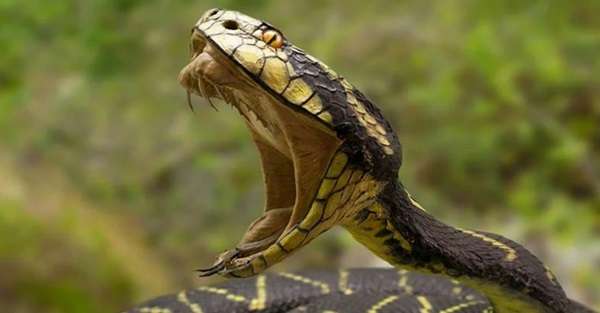
Venomous animals are among the most fascinating—and feared—creatures in the natural world. From deadly snakes and venomous frogs to stinging insects and marine predators, these organisms possess powerful biochemical weapons capable of paralyzing or killing their prey within seconds. But this raises an intriguing question:
Why don’t venomous animals poison themselves with their own deadly toxins?
This article dives deep into the science, biology, and evolutionary adaptations behind this phenomenon, providing a clear and SEO-optimized understanding of how nature solves this paradox.
Understanding Venom: What Makes It So Dangerous?
Before exploring immunity, it’s important to understand what venom actually is.
Venom is a specialized toxic substance produced by certain animals and delivered through bites, stings, or spines. Unlike poisons (which must be ingested or absorbed), venom is actively injected into a victim.
These toxins can:
- Attack the nervous system (neurotoxins)
- Destroy tissue (cytotoxins)
- Interfere with blood clotting (hemotoxins)
For example, tetrodotoxin found in pufferfish is one of the most potent natural toxins, capable of causing paralysis and death in humans.
Given such extreme potency, it seems logical that these animals would also be at risk. However, evolution has equipped them with remarkable protective mechanisms.
The Core Question: Why Venomous Animals Don’t Harm Themselves
The answer lies in biological specialization and evolutionary adaptation. Venomous animals have developed multiple layers of protection that prevent self-poisoning.
1. Venom Is Stored in Specialized Organs
One of the most important reasons is that venom is carefully isolated within the body.
Venom is produced and stored in specialized glands, separate from the bloodstream. It is only activated when injected into prey through fangs, stingers, or spines.
Key Insight:
- Venom is dangerous only when it enters the bloodstream
- Inside the animal’s body, it remains safely contained
This compartmentalization ensures that the toxin does not circulate internally and cause harm.
2. Molecular Immunity: Built-In Resistance
Venomous animals often possess natural immunity at the cellular level.
Their bodies evolve modified receptors or proteins that prevent toxins from binding effectively. In simple terms, the venom cannot “lock onto” its own cells.
For example:
- Some snakes have altered nerve receptors that block neurotoxins
- Their bodies act like they have a “biological shield”
Research suggests that certain species even use electrical or molecular barriers to stop venom from disrupting their nervous systems.
3. Venom Activation Depends on Delivery Method
Another key factor is how venom works.
Venom typically requires:
- Direct injection into tissue or bloodstream
- Specific biochemical conditions to activate
If swallowed or kept in the digestive system, venom often becomes harmless because it is broken down by enzymes.
For instance:
- Snakes can safely eat prey they killed with venom
- Digestive enzymes neutralize toxins before they enter the bloodstream
4. Evolutionary Adaptation Over Millions of Years
Venom systems are not random—they are the result of millions of years of evolution.
Animals with venom evolved these traits primarily for:
- Hunting efficiency
- Defense against predators
Over time, natural selection favored individuals that:
- Could produce stronger venom
- Were resistant to their own toxins
This evolutionary arms race resulted in perfectly balanced biological systems—powerful enough to kill prey, but safe for the host.
5. Some Animals Don’t Produce Venom—They Accumulate It
Interestingly, not all venomous animals actually produce their toxins.
Some species, like certain frogs, acquire toxins through their diet—typically from insects or plants.
Example:
- Poison dart frogs obtain toxins from consuming specific insects
- Without this diet, they may lose their toxicity
These animals have developed tolerance mechanisms, allowing them to store toxins in their skin without being affected.
6. Controlled Venom Usage
Venomous animals do not always release venom every time they attack.
Many species can:
- Control how much venom they inject
- Deliver “dry bites” (no venom)
This control helps conserve energy and reduces unnecessary risk.
Real-World Examples of Venom Resistance
Snakes
Snakes are perhaps the most well-known venomous animals. They store venom in glands and inject it through fangs. Their internal systems prevent venom from entering their bloodstream.
Bees and Wasps
These insects produce venom for defense. Their bodies are adapted to withstand their own toxins, though repeated stinging can still harm them physically.
Pufferfish
Pufferfish contain tetrodotoxin, but they remain unaffected due to resistant sodium channels in their cells.
Poison Dart Frogs
These frogs store toxins in their skin but do not synthesize them directly. Their resistance comes from dietary adaptation.
Can Venomous Animals Be Poisoned?
Surprisingly, the answer is yes—but rarely.
- A venomous animal can be harmed by another species’ venom
- In some cases, even individuals of the same species can be affected
For example:
- A snake bitten by another venomous snake may still die
- Immunity is often species-specific, not universal
This highlights that venom resistance is highly specialized, not absolute.
The Difference Between Poison and Venom (SEO Insight)
Understanding this distinction is crucial for both readers and search optimization.
| Feature | Poison | Venom |
|---|---|---|
| Delivery | Passive (ingested or touched) | Active (injected) |
| Example | Poison dart frog | Snake venom |
| Risk to self | Often safe due to adaptation | Controlled via delivery system |
This distinction also explains why animals can safely carry toxins without self-harm.
Why This Matters: Lessons from Nature
The ability of venomous animals to avoid self-poisoning offers valuable insights for science and medicine:
1. Drug Development
Venom components are being studied to create:
- Painkillers
- Blood pressure medications
- Cancer treatments
2. Biotechnology
Understanding toxin resistance can lead to:
- Better antidotes
- Improved medical treatments
3. Evolutionary Biology
Venom systems are prime examples of:
- Adaptation
- Survival optimization
SEO Benefits of Understanding This Topic
For content creators and website owners, topics like this provide:
- High search demand (science curiosity topics)
- Strong engagement potential
- Evergreen content value
Keywords to target:
- “Why venomous animals don’t poison themselves”
- “How venom works in animals”
- “Venom immunity explained”
Conclusion
The reason venomous animals don’t poison themselves is not a mystery—it’s a masterpiece of evolutionary engineering.
Through a combination of:
- Specialized venom storage systems
- Cellular-level immunity
- Controlled delivery mechanisms
- Dietary adaptations
these creatures have evolved to wield deadly weapons without self-destruction.
Nature, once again, demonstrates its remarkable ability to balance power and protection.